Snack Ideas for Eating Disorder Recovery: Nourishing and Practical Options
Snack Ideas for Eating Disorder Recovery
Finding snack ideas during eating disorder recovery can feel more complicated than it should. You may be working on eating more consistently, rebuilding trust with food, or simply trying to figure out what to eat when a full meal feels difficult.
Snacks can be an important part of eating disorder recovery because they help provide nourishment between meals and can support more consistent eating throughout the day. They can also offer flexibility when you are hungry outside of mealtimes, need something convenient, or aren't able to manage a full meal.
There isn't one “perfect” recovery snack, though. Your nutrition needs, treatment plan, appetite, preferences, schedule, and stage of recovery are all individual. A snack that works well for one person may not be the right fit for someone else, and THAT’S OKAY.
The goal isn't to find the perfect snack. It's to find options that help you eat regularly and provide the nourishment your body needs.
Why Are Snacks Important During Eating Disorder Recovery?
Eating disorder recovery often involves rebuilding regular eating patterns. Depending on your individual needs, your dietitian may recommend eating every few hours rather than going long periods without food. This may mean having several eating opportunities throughout the day, including snacks between meals.
Snacks can help:
Provide nourishment between meals
Support more consistent eating throughout the day
Meet your body's energy and nutrient needs
Prevent long gaps between eating opportunities
Add flexibility when meals don't provide everything you need
Make it easier to eat when a full meal feels overwhelming
Provide additional nourishment when your body's needs are higher
Your dietitian may also recommend specific meal and snack patterns based on your recovery needs. If you're following a personalized meal plan, use that plan as your guide rather than trying to create your own recovery routine from a list you found online.
What Makes a Good Snack for Eating Disorder Recovery?
If you're in an eating disorder treatment program, you may be given a structured meal plan based on a certain number of servings from different food groups. This type of structure can be helpful during treatment and may work well for some people at home, while others may find an exchange-based approach difficult to follow.
I often recommend the Plate-by-Plate Approach to our clients as a visual and straightforward way to approach meals and snacks. Instead of counting exchanges or measuring food, the approach provides a visual structure for including a variety of foods and adequate nourishment. (Just a disclaimer here that Maddox Nutrition is not affiliated with, endorsed by, or sponsored by the Plate-by-Plate Approach or its creators. We do not claim ownership of this approach or its materials. We share and recommend the approach as one nutrition framework that may be helpful for some of our clients, based on our clinical judgment and their individual needs.)
For meals, this approach generally uses a 10-inch plate with about half the plate made up of a starchy carbohydrate, one-quarter protein, and one-quarter fruits or vegetables. It also includes a visible source of fat and a serving of dairy. This structure can be adjusted based on a person's individual nutritional needs.
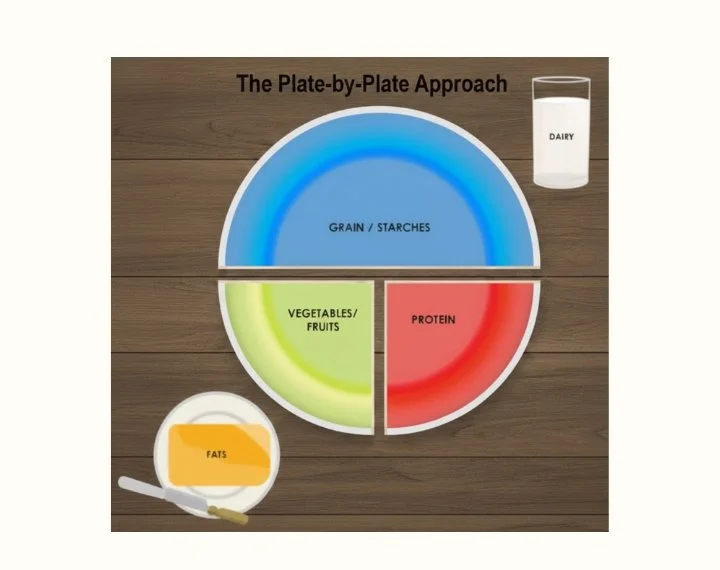
Moreover, the approach offers a similarly simple way to think about snacks. A snack can include at least two to three different foods from two different food groups. Someone with higher nutritional needs may benefit from a more substantial snack that includes three or more foods.
Some combinations include:
Crackers + cheese
Banana + peanut butter
Yogurt + granola
Toast + avocado
Apple + nuts
Pretzels + hummus
Cereal + milk
A muffin + yogurt
But take note that these are examples of snack combinations and not rules.
Some people may need a more substantial snack, while others may need something different depending on their activity level, hunger, or nutritional needs. Your dietitian can help determine what amount and combination of foods is appropriate for your recovery.
And importantly, you don't need to make every snack “perfectly balanced.” Eating disorder recovery is not about turning every eating opportunity into a nutrition math problem.
13 Flexible Snack Ideas for Your Eating Disorder Recovery Journey
When you're in recovery, it can help to have a few easy options available so you don't have to make a decision from scratch every time you're hungry.
Here are 13 snack ideas for eating disorder recovery to consider.
1. Peanut Butter and Banana Toast
Toast provides carbohydrate, while peanut butter adds fat and protein. Top it with sliced banana for another source of carbohydrate, fiber, and oth111er nutrients.
You can also use another nut or seed butter if that's what you have available.
2. Yogurt With Granola and Fruit
Combine yogurt with granola and your favorite fruit for a snack that offers a variety of foods and nutrients.
Try berries, banana, peaches, mango, or whatever sounds good to you.
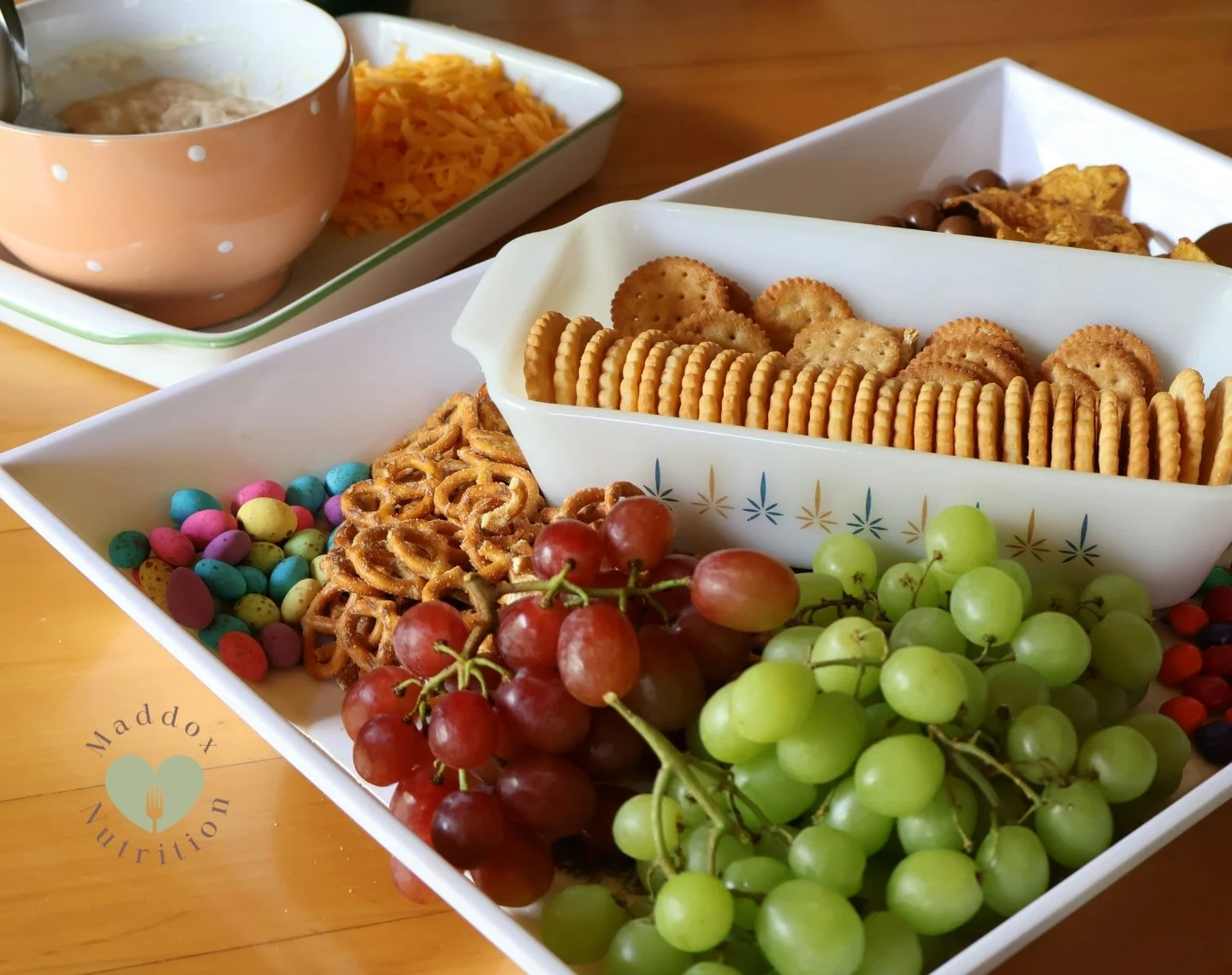
3. Crackers and Cheese
Crackers and cheese are a simple option when you want something savory and easy to assemble.
Add fruit if you'd like, but you don't need to make the snack more complicated just because you can.
4. Trail Mix
Trail mix can be especially convenient because it can combine several foods in one handful or bowl.
Try a mixture of nuts, seeds, dried fruit, granola, pretzels, chocolate, or other foods you enjoy. Store-bought trail mix works, too. It doesn't have to be homemade to count.
5. Hummus With Pita or Crackers
Hummus paired with pita bread or crackers makes an easy snack that includes different types of foods.
You can also add vegetables or fruit if you enjoy them, but the goal isn't to make the snack as “nutritionally perfect” as possible.
6. A Granola Bar With Nut or Seed Butter
Some granola bars may be enough for your individual snack needs, while others may work better paired with another food.
Try a granola bar with peanut butter, almond butter, sunflower seed butter, or another spread you enjoy.
7. Peanut Butter and Graham Crackers
Spread peanut butter between graham crackers for a simple snack that combines carbohydrate with fat and protein.
Chocolate or another favorite spread can also be part of a satisfying snack. Recovery doesn't require removing foods simply because they are enjoyable.
8. A Peanut Butter and Jelly Sandwich
A small sandwich can make a convenient and satisfying snack.
Bread, peanut butter, and jelly bring together several types of nourishment without requiring much preparation. You can make one ahead of time when you know you'll need something to take with you.
9. Apple or Other Fruit With Nuts
Pair an apple, pear, banana, or another fruit with a handful of nuts.
If chewing or appetite is difficult during recovery, you can also choose another combination that feels easier to manage.
10. String Cheese and Crackers
String cheese and crackers are easy to keep available at home or in a refrigerator at work or school.
Having familiar foods that require little preparation can make it easier to follow your eating plan on busy days.
11. Guacamole and Tortilla Chips
Guacamole and tortilla chips can make a flavorful, convenient snack.
The combination also offers different textures and flavors, which can make snacks more enjoyable rather than something you simply feel like you “have to” get through.
12. Cereal With Milk
Cereal doesn't have to be reserved for breakfast.
A bowl of cereal with milk can be a quick snack when you want something that requires minimal preparation. Add fruit, nuts, or another food if that fits your needs and preferences.
13. A Snack You Actually Enjoy
Yes, this one deserves its own spot.
Sometimes the most nutritious snack is simply a food you know you'll actually want to eat.
That might be cookies and milk, chocolate with nuts, a favorite pastry, chips and dip, or something completely different.
Eating disorder recovery isn't about proving that you can choose the most nutrient-dense option every time. Developing food freedom also means making room for foods that bring enjoyment, comfort, convenience, culture, and connection.
What If I Don't Feel Hungry for a Snack?
This can be a particularly difficult part of eating disorder recovery.
Hunger cues can become unreliable or difficult to recognize during or after periods of eating restriction. Some people may also experience reduced appetite, anxiety around eating, or fear of eating when they don't feel physically hungry.
That's one reason recovery eating may sometimes involve eating according to a schedule rather than waiting for hunger to appear.
If your treatment team has given you a meal or snack schedule, following that structure can be an important part of recovery, even when your hunger cues aren't giving you a clear signal.
Your dietitian can help you work through this without turning eating into a battle with your body.
What If I'm Too Busy to Prepare a Snack?
Convenience matters.
In eating disorder recovery, spending hours preparing food isn't a requirement for “doing nutrition right.” Sometimes the most supportive choice is the food that is accessible, familiar, and realistic for your day.
Consider keeping easy-to-grab options available, such as:
Granola bars
Crackers
Nuts or trail mix
Dried fruit
Peanut or seed butter
Shelf-stable milk
Packaged muffins
Cereal
Cheese or yogurt in the refrigerator
Fruit
Chips and dip
Sandwiches prepared ahead of time
Having convenient foods available can reduce the number of decisions you need to make when you're already tired, overwhelmed, or busy.
Convenience is not a failure of nutrition. Sometimes convenience is exactly what makes nourishment possible.
Do I Need to Follow a Specific Snack List?
Not necessarily.
Lists like this can provide ideas when you're stuck, but they shouldn't become another set of food rules.
Eating disorder recovery is highly individual. Your dietitian may recommend specific foods, portions, timing, or combinations based on your nutritional needs and treatment goals.
You also don't have to eat the same snack every day. Variety can be helpful, and giving yourself permission to choose different foods can be part of developing a more flexible relationship with eating.
If you notice yourself becoming anxious about whether a snack is “enough,” “too much,” “healthy enough,” or the “right” choice, that's worth bringing up with your eating disorder treatment team. Those thoughts are not something you have to navigate alone.
Make Room for Freedom and Flexibility With Food in ED Recovery
When you're searching for snack ideas for eating disorder recovery, it's easy to focus on finding the right foods.
But recovery is about more than creating a list of nutritionally appropriate snacks.
It's also about learning to eat with greater flexibility, respond to your body's needs, enjoy foods without guilt, make room for convenience, and gradually loosen the rules an eating disorder may have created around food.
You don't have to figure all of this out on your own. An eating disorder-informed dietitian can help you build an individualized approach to nourishment while supporting you in developing a more peaceful and flexible relationship with food.
Ready for support that meets you where you are? Registered dietitian nutritionists at Maddox Nutrition are ED-informed and provide compassionate, non-diet nutrition counseling for eating disorder recovery and a range of nutrition needs.
Learn more about our Nutrition Counseling Services and explore how our amazing dietitians can support you in building a relationship with food rooted in nourishment, flexibility, and food freedom.
–
What you need to know
The difference between a Dietitian and Nutritionist
A dietitian is a regulated healthcare professional who has completed formal education in nutrition and dietetics, undergone supervised training, and is licensed to provide medical nutrition therapy for conditions such as diabetes, eating disorders, or gastrointestinal issues.
The title “dietitian” is legally protected in many countries, ensuring that only those who meet strict professional standards can use it.
In contrast, the title “nutritionist” is not always regulated, meaning anyone can call themselves a nutritionist regardless of training, though some may hold advanced degrees or certifications. Generally, dietitians are qualified to offer clinical nutrition care, while nutritionists often focus on general wellness and healthy lifestyle guidance.
Looking for more?
Our team has put together a list of the books, journals, and everyday tools we find ourselves recommending again and again. Head over to our Recommendations page to take a look. Just so it's clear: these are general suggestions, not personalized advice, and there's no expectation to purchase anything. Whether you're a current client, working with another provider, or just here reading, these are simply resources we've found genuinely helpful.
The links you’ll find in the Recommendations page are Amazon affiliate links. If you click one and buy something, we might earn a small commission — it won't cost you extra, and it's entirely your call whether to buy anything at all. These are just things our team likes, not a promise that any of them will work a certain way for you, and not personalized advice.